
If you’ve received a demand letter from Copycat Legal, been sued by Prepared Food Photos, Inc., or found yourself in the crosshairs of a stock photo copyright infringement claim, a brand-new federal court ruling deserves your attention.
On March 18, 2026, U.S. District Judge J.P. Stadtmueller of the Eastern District of Wisconsin issued a significant order in Prepared Food Photos, Inc. v. Sharif Jaber and NOFAL, LLC (Case No. 22-CV-642) that denied attorney’s fees to both the plaintiff and the defendant following a split jury verdict, and the reasoning behind that decision has real implications for anyone defending against these types of claims.
Background: The Case That Ended With a $200 Verdict
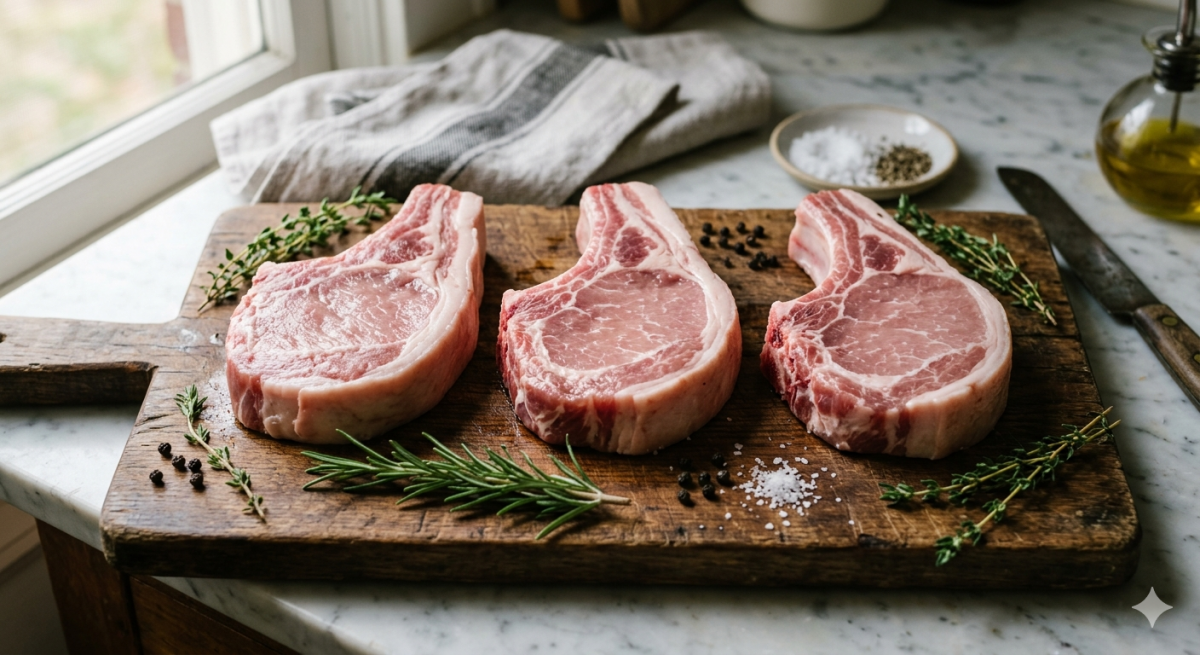
Prepared Food Photos, Inc., a company that has filed copyright infringement lawsuits across the country targeting small businesses over the use of food images, often through the law firm Copycat Legal, sued a Wisconsin grocery store operator over a single photograph of raw pork chops that was posted to the business’s Facebook page.
After a two-day jury trial in October 2024:
- The jury found that the LLC defendant (NOFAL, doing business as Food Town Mart) had infringed Prepared Food Photos’ copyright, but that the infringement was not willful;
- The jury found that the individual defendant, Sharif Jaber, was not vicariously liable; and
- The jury awarded just $200.00 in actual damages.
Both sides then moved for attorneys’ fees under the Copyright Act (17 U.S.C. § 505). Prepared Food Photos sought $69,255 in fees. Jaber sought $50,250 in fees.
The court denied both motions and ordered each party to bear its own costs.
Why This Ruling Matters: The “No Prevailing Party” Framework
Under the Copyright Act, a court may award attorney’s fees to the prevailing party, which in theory can be either a successful plaintiff or a successful defendant. But the court in this case found that when a verdict runs in different directions for different parties, there may simply be no prevailing party at all.
The court relied heavily on Narkiewicz-Laine v. Doyle, 930 F.3d 897 (7th Cir. 2019), where the Seventh Circuit affirmed a district court’s refusal to award fees when a plaintiff won on some VARA claims but lost on the majority. As the court quoted from that case’s lower court ruling:
“The reality of this case is that both parties prevailed in some significant aspects, and both parties lost in some significant aspects, such that it is difficult to declare one clear winner.”
The same logic applied here. Prepared Food Photos won a judgment against the LLC, but lost entirely against the individual defendant. Jaber prevailed on vicarious liability, but his company was found liable. The result? A split outcome with no clear winner, and therefore no fee award to anyone.
This matters because the threat of attorney’s fees is one of the most powerful weapons plaintiffs like Prepared Food Photos use to extract settlements from defendants. The implied message in demand letters from firms like Copycat Legal is often, “Pay us now, or risk paying far more in legal fees later.” This ruling weakens that leverage in cases that proceed to trial with mixed outcomes.
The Rule 37 Argument Also Failed
Prepared Food Photos made an alternative argument for fees under Federal Rule of Civil Procedure 37, pointing to the defendants’ inconsistent positions during discovery, specifically, initial denials of any affiliation with the Facebook page where the infringing photo appeared.
The court rejected this argument, too. It found that the admissions sought were “of no substantial importance” because, as the court had already held in post-trial proceedings, the individual defendant’s knowledge of the Facebook page was legally irrelevant to whether he had the right and ability to supervise the infringing activity. In other words, even if he didn’t know about the page, he could still have been vicariously liable as a matter of law, meaning the inconsistency in discovery responses didn’t actually affect the outcome.
The court also noted, pointedly, that Prepared Food Photos’ billing records included fees that had “an extremely tenuous or no relationship” to the specific failure to admit, including entries for scheduling order motions, settlement correspondence, and nearly $10,000 in fees for full trial days. Even if the court had been inclined to grant fees under Rule 37, the requested amount would have faced a significant reduction.
What This Means for Defendants in Copyright Infringement Cases
This case is a reminder of several key strategic points for anyone targeted in stock photo copyright infringement matters:
1. The fee threat isn’t automatic. Plaintiffs routinely emphasize their ability to seek attorneys’ fees. But as this case demonstrates, those fees are discretionary, and courts can and do deny them, even to parties who win on some claims.
2. Vicarious liability is a separate battleground. The individual defendant here successfully defeated the vicarious infringement claim, even though the business entity was found liable. Separating liability among related defendants is a legitimate and important defense strategy.
3. Statutory vs. actual damages — the election matters. The jury here awarded just $200 in actual damages. One reason plaintiffs like Prepared Food Photos press hard for settlements is to avoid the risk that an actual damages award will be minimal. Under the Copyright Act, a copyright holder who registered timely may elect statutory damages, but registration timing and other factors can significantly affect the options available.
4. Discovery conduct can cut both ways. The individual defendant’s inconsistent discovery responses didn’t help him — but ultimately didn’t sink him either, because he corrected his testimony at trial and the court found the inconsistency legally irrelevant to the outcome.
A Note on the Geographic Scope of This Ruling
This order was issued in the Seventh Circuit (Wisconsin), and the core precedent it relies on, Narkiewicz-Laine, is binding only within that circuit (Illinois, Indiana, and Wisconsin). Defendants in Florida, for instance, are in the Eleventh Circuit, where different precedents govern the attorneys’ fees analysis.
That said, the reasoning in this case is persuasive authority that defense counsel can and should cite in appropriate cases across the country. Courts have broad discretion under § 505, and arguments rooted in mixed verdicts and split outcomes are not circuit-specific.
Heitner Legal’s Experience in Copyright Infringement Defense
At Heitner Legal, we have extensive experience defending individuals, small businesses, and companies against copyright infringement claims, including the type of mass-litigation demand campaigns run by firms targeting businesses over stock photo and food image use.
We understand the pressure that comes with receiving a cease-and-desist letter or a federal lawsuit, and we know how to evaluate your actual exposure, assess registration and damages issues, and develop a defense strategy that makes sense for your situation.
If you’ve been contacted by Copycat Legal, received a demand related to Prepared Food Photos, Inc., or are facing a copyright infringement claim of any kind, contact Heitner Legal today for a consultation.
This post is for informational purposes only and does not constitute legal advice.